Ringneck Snake Diadophis punctatus. This is a huge geographic range.
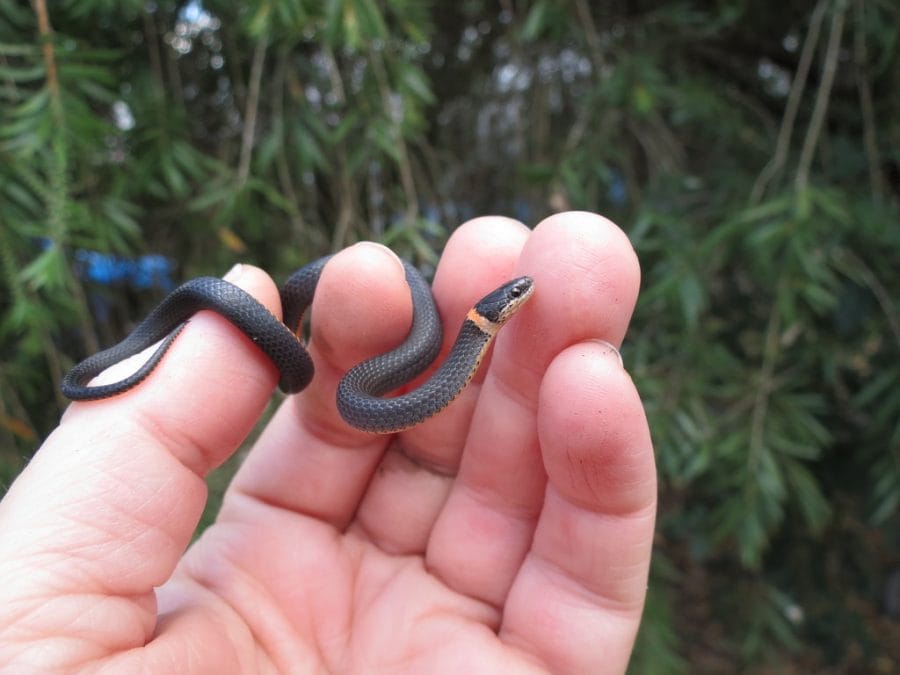
Ringneck Snake Facts Habitat Diet Life Cycle Baby Pictures
These snakes are most common in areas with shallow soil and surface bedrock where they are frequently found under rocks logs or bark.

Ringneck snake habitat. They may even eat the baby snakes of. They can eat worms small frogs and more. Their small stature nonaggressive nature and rear-facing fangs do not pose much threat to the humans.
Their favorite areas offer lots of ground cover for burrowing. They live throughout certain parts of the United States Canada and Mexico. The habitat of a ring snake Did you know that ringneck snakes have the largest geographic range in North America.
They hibernate underground and will also retreat underground during especially warm weather. Ringneck snakes can be found in virtually any habitat but seem to prefer wooded areas. In the Piedmont and Coastal Plain ringnecks are particularly common in moist areas including river floodplains moist hardwood forests and wetland edges.
Core Habitat Marginal Habitat. The subspecies called the Northern Ringneck is found right here in Northern Virginia but thanks to an astounding variability of diet and habitat Ringnecks can also be seen all up and down the East Coast in Mississippi and out west in the prairies and throughout the Midwest. Their range extends from Nova Scotia southern Quebec and Ontario to south-central Mexico covering the entire eastern seaboard except for areas along the gulf coasts of south Texas and northeast Mexico.
Metadata Data about data or how the map was made Legend. Habitat Of The Ringsnake. In their natural habitat in wet woodlands and near streams and ponds the ringneck eats small frogs salamanders and lizards as well as a variety of insects slugs and worms.
The snake is located in Canada Central and Eastern North America. What Do Ringneck Snakes Eat. The Key ringneck snake inhabits pine rockland habitat and the edges of disturbed portions of rockland hammocks Lazell 1989 Weaver et al.
S5 What does this mean. It inhabits forests woodlands bushy areas logs hillsides grasslands rocky and moist areas. They thrive when humidity levels are between 50 and 80 percent so make sure you ensure this for their enclosure.
Southern Ringneck punctatus Northern Ringneck edwarsii Mississippi Ringneck stictogenys Other Names none Conservation Status Global. Ringneck snakes are tropical or semi-aquatic snakes. As the name implies the snakes have a distinctive yellow ring on their neck.
The ring-necked snake is an attractive olive colored snake often found seeking refuge under rocks and logs. The Ringneck snake is one of the most common reptiles on the North American continent. They can be found within open woodlands near rocky hillsides or in wetter environments with an abundant cover or woody debris within riparian and wet environments especially in more arid habitats.
Key ringneck snakes inhabit tropical hardwood hammock and scrub habitat types found within their small range on Key West Big Pine Little Torch Middle Torch and No Name Keys. It seems to be restricted to areas near. A pool of water inside their enclosure is a good idea.
The habitats were identified using 1991. Keeping ring-neck snakes is relatively simple. Ringneck snakes are common reptiles that have a wide range of geographical distribution in North America.
Much more common in areas of higher moisture they are found sporadically through the drier areas of Texas including some of the moister areas of the Chihuahuan Desert. Locality records from FLMNH and Florida Natural Areas Inventory for ringneck snakes in the Lower Keys. Ringneck snakes are small snakes that live throughout North and Central America with a territory that spans from Canada all the way through Mexico.
Where do Ringneck Snakes Live These snakes prefer areas with gently moistened soil located on the banks of rivers ponds or streams swamps damp forests open woodlands under-stone or under-bark coverage and rocky hillsides. Predicted Distribution Reptiles do not migrate as some birds and mammals so the colored areas depict the predicted range for the Ringneck Snake year-round. The Ringneck snake loves leaves.
It feeds on frogs lizards salamanders earthworms and other small snakes swallowing its prey whole. Their habitat extends from the Canadian provinces of Nova Scotia Southern Quebec Ontario down to southern Mexico. This species is restricted to the Lower Keys and has been found on Key West and Big Pine Little Torch Middle Torch and No Name Keys Weaver et al.
Being close to riverbeds and ponds are also popular spots. Its common for ring snakes to live in dens with. Their favorite areas offer lots of ground cover for burrowing.
Ringneck snakes are common snakes occurring throughout eastern and central North America. 1992 Auth and Scott 1996 museum records. They prefer areas with abundant cover and denning locations.
A ten gallon tank will be suffice for 1 to 3 of them. Although they are versatile ring snakes thrive in wooded areas with moist soil. It is one of Maines 9 species of non-venomous snakes.
Ring-necked snakes are found in forested areas including forest edges and clearings. Ring-necked snakes occur in a wide variety of habitats. In the wild they can be found in swamps holes in the ground or along banks of rivers.
Key ringneck snakes inhabit tropical hardwood hammocks and scrub. The ringneck snake is a species of slender mildly poisonous snakes commonly found in southeastern Canada central Mexico and many parts of the US.
Ringneck snake care begins with a proper cage. If you want to keep a ringneck snake as a pet you need to ensure that you give it the proper diet as outlined above.
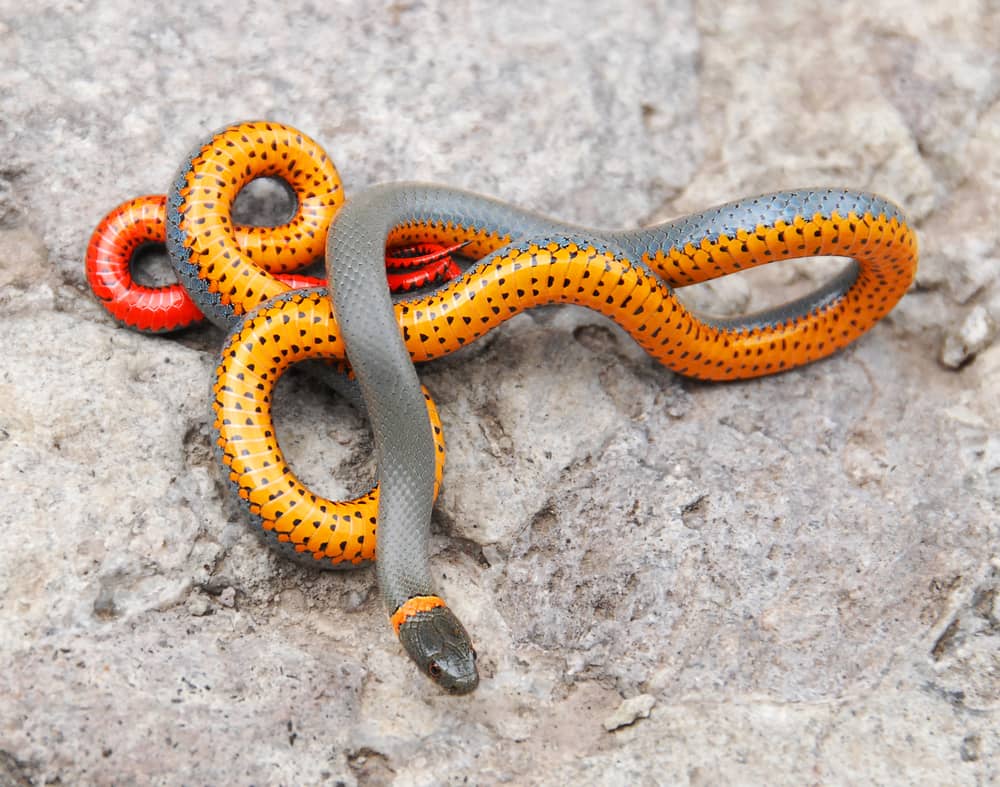
Snake Profile Ringneck Snake 9 Riveting Photos
Lifespans can vary quite a bit based on the overall health of the snake and husbandry.

Keeping ringneck snakes. In the wild ringneck snakes ingest worms and other insects as often as they can find them. If the snake did have a collar with an up-to-date identification tag it would tell you that the ring-necked snake Diadophis punctatus is mildly venomous. If youre a fan of aesthetics this is one of the best pet snakes out there.
Caring for a ringneck snake. Here are some important tips to follow when setting up an enclosure for your ringneck. How much do ringneck snakes eat.
The ringneck snake has a wide range of habitat. Keep them fully protected and make sure that the enclosure is always closed because Ringneck Snakes can also climb and escape. 13 Peat Moss 13 Sand 13 Soil placed at a depth of about 1 inch or.
In the wild ringneck snakes have a more varied diet with salamanders small frogs and toads small lizards and baby snakes of species other than ringneck snakes. When keeping them as a pet it is important to try to mimic their natural diet as much as possible. On average most will only live around six years in captivity.
Regular veterinary checkups are also advisable for your pet reptiles. The Ringneck snake looks like the perfect pet right. Does well with potted plants and can be maintained in a naturalistic terrarium.
Ringneck snakes will die of old age in 5 to 6 years. This doesnt help them in growth but they need it for nourishment. Ringneck snakes can east as much as they can swallow in their gut system.
In the North it prefers wet soil and slightly cooler conditions. Ringnecks would much rather flee than put up a fight when being captured. Meaning youll always be seeking and they will always be hiding.
Special Precautions Many reptiles have been known to carry salmonella so it is important to always thoroughly wash your hands with warm water and soap after handling a snake. A pair of garter snakes can be kept together in the same enclosure but theres a higher risk of spreading disease and infestations such as ticks and mites. Keeping ringneck snakes is allowed in many states in the United States.
I mean that distinctive neck ring actually makes it look like it is already wearing a collar. That means a 10-gallon cage with a mesh top that will stop the snake from escaping. Once you also factor in their terrarium food and bedding needs etc the overall upfront cost of keeping a baby ringneck snake may set you back around 300 and the cost to feed them each month can cost around roughly 50.
In the south it prefers tall grass and forest-like areas. You can check your states regulations to see how much its going to cost you to own one. A mixed pair male and female could breed.
Kingsnakes should always be housed separately because they eat other snakes even copperheads. 15 Years or More. Rubber boas are exceptionally friendly snakes that will stick out their heads to say hello when you approach their enclosure.
Snakes are not nearly as space consuming as other pets such as dogs and cats and other popular mammals. However you will need a license to keep one. Many snake owners claim that the ringneck snake is small enough to be kept in a shoebox with a paper towel lining but your snake will be much happier in a terrarium with soil sand or peat moss.
Avoid keeping piles of leaves large woods and large rocks around your house to keep yourself your family and neighbors protected from snakes. And you should give it a great snake name. If you are just getting into the hobby of keeping snakes or just thinking about purchasing a new scaly friend you should know why snakes make the best pets.
In many cases if you were to be bitten by a ringneck snake it would not break the skin but you would still need to clean the area in case of any bacteria in the snakes saliva. Keeping northern ringneck snakes for pets is frowned upon as the snake itself is easily prone to stress thus leading to failure to eat properly and parasite issues due to stress which can kill the snake. Owing to their smaller size ringneck snakes tend to eat smaller prey such as worms slugs and other insects.
Ringneck snakes in particular do not thrive in captivity. These snakes require plenty of hiding places so things like hollowed logs and caves are necessary to prevent the snake from feeling stressed. Keep your backyard grass always short.
Given the size of the Southern Ring-necked Snake its one of the smaller subspecies it seemed to me that a 5-gallon cage would be appropriate. Ringneck snakes should be fed two to three times a week. They eat every few days.
Many people are concerned that the bite may cause a lot of pain and whilst being bitten by a larger species of the non-venomous snake may be a painful experience the bite of the ringneck will not feel any. Occasionally ringneck snakes will eat small fish. Unfortunately ringneck snakes dont live very long in captivity.
They tend to get stressed out and can have a reduced lifespan. These little critters are not suitable for the novice herper as they can be finicky eaters and the accommodations for keeping them can vary from snake to snake. They also need a bowl of water daily.
The challenge for keeping ringneck snakes is making sure you provide a consistent supply of the foods they are used to eating. Branches might be used by the snakes for climbing and basking. Small frog and toad species Many snake owners claim that the ringneck snake is small enough to be kept in a shoebox with a paper towel lining but your snake will be much happier in a terrarium with soil sand or peat moss.
It also needs a habitat that mimics its natural environment. On the other hand ringneck snakes should be fed at least twice or more in a week in captivity. Screen top recommended for good ventilation.
Owning a ringneck snake as a pet means you may not even get to admire its lovely appearance that frequently because they are very good at hiding and seek. Ringneck snakes are non-aggressive and social. This is because snakes feel most.
The western and northern subspecies prefer to hide under rocks loose stones or a pile of dead leaves. The ringneck snake is a good candidate in the small snake category as they dont grow much longer than one foot in length. A ringneck snake is.